

EPISODE 14
Consulting isn’t about knowing more. It’s about seeing deeper.
The consulting world today is loud.
Everyone is a strategist.
Everyone is a mentor.
Everyone is a thought leader.
But consulting, in its purest form, is not about titles — it’s about impact.
And impact comes from one thing:
Your ability to see the truth clearly, and say it cleanly.
Clients don’t hire you because you know something.
They hire you because you can reveal something they didn’t know.
Let’s explore the consulting craft the DB way — grounded, ethical, strategic.
1. Consulting Begins Where Information Ends
Information is everywhere.
Knowledge is cheap.
But clarity?
That’s rare.
The consultant’s job isn’t to be overwhelmed with frameworks or jargon.
It’s to cut through the fog and show the client:
- what actually matters,
- what’s actually broken,
- what’s actually possible.
Clarity is the modern premium.
And consultants who deliver it consistently never struggle for work.
2. Expertise Is Not Experience — It’s Pattern Recognition

People often mistake “years of experience” for expertise.
Real expertise is your ability to:
- see patterns others overlook,
- connect dots faster,
- predict outcomes accurately,
- notice behaviour shifts,
- identify blind spots.
Clients pay for your eyes, not your hours.
This is why some consultants deliver in one session what others can’t in six months.
3. Integrity Is Your Only Real Competitive Advantage
Consulting is full of:
- overpromises,
- inflated claims,
- repackaged templates,
- shortcuts,
- superficial advice.
But clients eventually recognise depth —
and they never forget honesty.
Integrity in consulting looks like:
- telling the truth even when it’s uncomfortable,
- rejecting clients you can’t genuinely help,
- not selling deliverables they don’t need,
- keeping your ego out of the engagement,
- valuing long-term trust over short-term gain.
Integrity is not moral posturing.
It’s a performance strategy.
The market always circles back to the voices that stand firm.
4. The Consultant’s Presence: Calm, Confident, Non-Defensive

Your energy in the room matters more than your slides.
Consultants who feel:
- nervous,
- apologetic,
- overly eager,
- defensive,
- or desperate
…lose influence instantly.
Clients trust the consultant who:
- listens deeply,
- speaks slowly,
- thinks clearly,
- holds steady energy,
- ask the right questions.
Presence is quiet strength.
It communicates competence without effort.
5. Questions Are More Powerful Than Answers

A consultant’s real weapon isn’t wisdom — it’s inquiry.
Good consultants give answers.
Great consultants ask questions that shift reality.
Questions like:
- “What are we really solving here?”
- “What outcome would actually change your business?”
- “What are you afraid will happen if we make this decision?”
- “What problem is hiding behind this problem?”
- “Is this a strategy issue or a confidence issue?”
One question can unlock more value than a 30-slide deck.
6. A Consultant Is a Mirror, Not a Magician
Clients often come expecting miracles.
Your job isn’t to perform.
It’s to reflect.
A consultant holds up a mirror that shows:
- the client’s blind spots,
- their untapped strengths,
- their real blockers,
- their identity patterns,
- their decision-making weaknesses,
- their strategic potential.
You are not there to rescue them.
You are there to reveal them.
When the mirror is clean, transformation happens quickly.
7. The Difference Between a Coach, a Mentor, and a Consultant
Let’s settle this with clarity:

Coach:
Helps the client explore internal patterns, emotions, behaviour.
Mentor:
Share personal wisdom from their own path.
Consultant:
Analyzes, diagnoses, recommends, and designs solutions.
The problem today?
People mix these roles and confuse the client.
A powerful consultant knows exactly which hat they’re wearing — and switches consciously.
Clarity increases effectiveness.
Boundaries increase trust.
8. Your Signature Framework: The Consultant’s True Asset
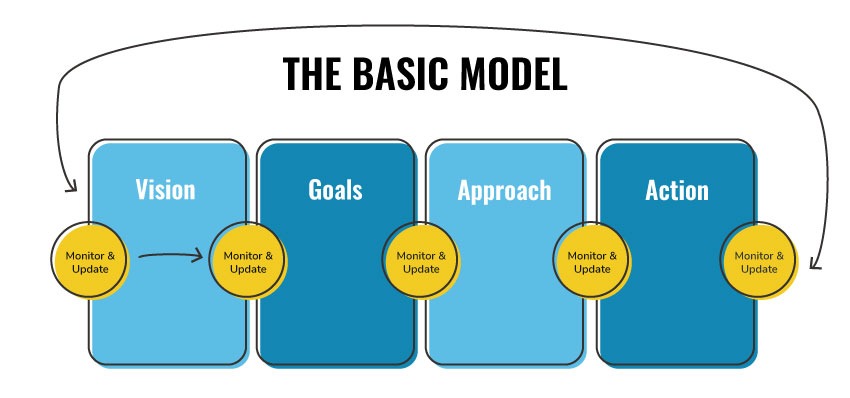
Consultants who rely only on intuition eventually plateau.
Consultants who build a signature framework scale.
Your framework should reflect:
- your worldview,
- your methodology,
- your thinking architecture,
- your approach to diagnosing problems,
- your approach to designing solutions.
This becomes:
- your differentiator,
- your intellectual property,
- your consulting brand,
- your book foundation,
- your long-term legacy.
The world remembers frameworks more than faces.
A Note for Anyone Reading This
Consulting is not a performance.
It’s a responsibility.
It demands:
- clarity,
- depth,
- steadiness,
- boundaries,
- integrity,
- curiosity,
- courage.
If you feel drawn to the consulting path — or if you’re already on it — remember this:
Your true value is not in what you sell.
It’s in how you see.
When your perception sharpens, everything else follows naturally.
Stay Connected
If this chapter helped you understand the deeper layers of consulting, the next episode will expand your perspective further — blending logic and intuition in ways that make your brand smarter, sharper, and more accurate.
Episode 15 explores how data and instinct work together like an oracle in modern decision-making.
Let’s keep going.